
Ensuring safety of water systems is a very important task for building owners, facility managers and health and safety officers. Among the numerous water-borne hazards, Legionella control has become a priority issue globally. Legionnaires disease is caused by Legionella bacteria which can survive in specific conditions of water and thus can become a serious health risk if not managed properly. Though routine monitoring and treatment are considered to be a necessity, the structure of water systems forms the basis of risk reduction. With careful planning and maintenance, it is possible to avoid the growth of bacteria before.
Water safety is a major concern especially in the complex facilities like hospitals, hotels, office buildings and industrial sites. Poorly designed plumbing, stagnant spots and areas of accessibility during maintenance may furnish perfect grounds to the growth of bacteria. By integrating safety principles into safety, building managers can reach sustainable control and minimize the use of chemical or mechanical interventions.
Understanding Legionella and Its Risks
Legionella bacteria occur naturally within the freshwater system but they become objectionable when they colonize man-made water systems. The bacteria multiply in temperatures of 20°C and 45°C, especially in stagnant water systems. The bacteria can be transferred to humans through aerosolization through showers, taps, cooling towers, and decorative fountains can transmit the bacteria to humans, resulting in respiratory infections.
Facilities that have a high-water demand or have complicated networks in distribution are at greater risk. Poor temperature regulation, dead legs in piping, and poor circulation are common conditions that promote bacterial growth. Legionella control is therefore not merely a matter of reactive testing and treatment but good system design.
The Role of Design in Preventing Legionella
Prevention starts way before the tap is turned on. System design will affect all the features of water safety including the flow rate and temperatures to accessibility for inspection and cleaning. A number of key principles are applied to safer water systems:
- Temperature Management
One of the most essential parameters in the regulation of bacterial growth is temperature. Hot water systems are to have a temperature of not less than 60°C in the heater and at least 50°C at outlets. Where possible, cold-water systems should remain below 20°C. Creating a system through which a precise temperature level could be controlled along the distribution network will decrease stagnant zones and the possibility of bacteria-growth.
- Avoiding Dead Legs
Dead legs or parts of piping that have no flow are conditions that cause the stagnant water that forms a good habitat of the Legionella. In the design stage, engineers shall reduce the unnecessary branches and ensure that all the outlets have continuous circulation. In cases where dead legs cannot be avoided, regular flushing programs may be included in order to ensure that water movement.
- System Complexity
Simpler systems are easier to monitor and maintain. Inaccessible parts or multiple loops in complex pipes are tricky to be regularly inspected and risk the development of bacteria. The layout of systems to be designed can have simple designs to facilitate cleaning, monitoring, and maintenance services.
- Accessibility and Maintenance
Another aspect that is not considered so much but plays a vital role in controlling legionella is accessibility. Pumps, water storage tanks, and valves should be readily accessible so that they can be inspected and cleaned. Proper location of equipment also contributes to the regular maintenance, but also allows for rapid corrective action if bacterial growth is detected.
Design Considerations for specific facilities
The challenges of water system design in different buildings are different:
Healthcare Facilities and Hospitals
The high-risk environment in hospitals is caused by susceptible patient populations. The temperature of water systems must be monitored frequently, anti-scald units can be fitted, and flushing points must be regularly used. There might be a need to separate wings so that cross-contamination does not occur. The joint planning with the infection control teams will be safe and compliant with regulations.
- Hotels and Hospitality
Hotels usually do not experience a steady occupancy and this may result in low water flow. There should be recirculation loops and automatic flushing in the systems. Decorative water features, such as fountains or spa pools, must be designed for easy cleaning and disinfection.
- Industrial and Commercial Buildings
Large office towers, factories, and manufacturing sites have piping systems that are large. These systems are good in zoning, thermostatic mixing valves, and having an automated checking system to notice a change in temperature. Timely intervention can be facilitated as well as the legionella can be controlled without disruption of the operations through the use of accessible control panels.
Incorporation of Monitoring and Control Technologies
Technology can be incorporated to modern water systems to promote legionella control. Such devices as automated temperature sensors, flow meters, and remote monitoring platforms provide the opportunity to monitor critical parameters in real-time. Detection of drop in temperatures or stagnation can also be alerted using alarms and prompt corrective measures can be taken by managers.
Also, incorporation of water treatment solutions like UV disinfection or biocidal dosing offers continuous protection. These interventions are useful owing to their strategic sensor positioning and availability of control systems without interfering with efficiency.
The Importance of Collaboration with Professionals
Although design is essential, it is better to collaborate with professionally testing companies of legionella to be sure that systems are good and safe. These experts can provide:
- Primary risk evaluation by design requirements.
- Checking of the water temperatures and circulation rates.
- Determination of possible dead legs or stagnation points.
- Maintenance schedules recommendations.
Partnering with expert testing companies during a design process will enable prevention efforts to be incorporated into the system instead of changing it in the future.
Maintenance/ Operational Practices
Even design will not ensure safety. Routine operation and maintenance are part of legionella management:
- Frequent checking of temperatures in major outlets.
- Periodic cleaning of low-use taps.
- Storage tanks and other related components cleaning.
- Checking and replacement of filters and valves.
Operational discipline ensures that the well-designed system remains safe throughout its life.
Risk Evaluation and Reporting
Documenting design decisions, maintenance schedules and monitoring results is very essential in compliance. Risk assessment must examine every part of the system and find possible sources of bacterial development. Documentation provides:
- Indications of regulatory adherence.
- A clear action plan in case of detected contamination
- Historical records for audits and inspections
Professional legionella testing companies can assist in creating detailed records and provide certification that your system meets required standards.
Cost-Benefit Analysis of Proper Design
Although the design of the water systems might be cost a lot in the short term, it saves the expenses in the long term. Poor design often leads to:
- The high level of frequent epidemics that need emergency treatment.
- Costly retrofitting to mitigate stagnation zones
- Higher maintenance costs due to inaccessible equipment.
Well-developed systems reduce these threats and can support the sustainable management of legionella, and avoid harm to building residents.
Epsco’s Approach to Legionella Prevention
Epsco provides services to clients on a water safety, integrating design consultancy and monitoring and compliance solutions. Our team works in collaboration with architects, engineers and facility managers in order to integrate legionella control measures since the early stage of design.
We partner with the top legionella testing companies to confirm the functionality of the systems. Testing regularly will ensure that the preventive measures are put in place and that risks that may occur are dealt with well in advance.
In addition to design and testing, Epsco also offers training to building management teams. This guarantees the use of routine maintenance, temperature check and flushing systems that are used regularly and ensure that systems are as safe as possible in the long run.
Challenges in Implementing Design-Based Control
Even in the case of best practice, a number of challenges exist:
- Retrofitting old piping in buildings with complex piping.
- Balancing between energy efficiency and temperature control.
- Adapting to the inconsistent usage patterns, without the stagnation zones.
- Combining the varieties of water features, cooling towers, or specialized equipment.
We have experience and hence have managed to negotiate these hurdles giving tailored solutions to every facility.
Advantages of Design-First Prevention of Legionella
There are many benefits of investing in proper design:
- Less Health Hazards: Limits contact between occupants and bacteria.
- Regulatory Compliance: Makes it easy to comply with water safety laws.
- Operational Efficiency: less effort in maintenance, the reduction in emergency actions.
- Cost Savings: Eliminates costly retrofits and outbreak response.
- Sustainability: Promotes energy-efficient systems that do not affect the safety.
By incorporating the action of legionella control during the design, a proactive outline is developed as opposed to corrective bridging.
Case Studies: Design Successes
Facilities that use design-first strategies will see measurable benefits. Hotels that have recirculation loops with automatic controls experience minimal to no temperature deviations. Hospitals implementing zoning in their piping experience lower stagnation points for greater high-risk water uses. Industrial locations deploying monitoring dashboards are able to quickly identify and remedy anomalies. Working with licensed legionella testing companies certifies these outcomes.
Key Takeaways
- Legionella mitigation begins with design, not testing.
- Temperature regulation, dead leg prevention, and ease of access are core principles.
- Ongoing care and monitoring of your systems supplements design.
- Partnering with legionella testing companies provide additional effectiveness.
Epsco considers the full operational lifecycle providing integrated solutions from design to the operational management stage.
Building owners can protect their occupants, stay in compliance and lower operational costs if they implement these strategies.
Conclusion
Water safety is necessary for modern buildings. Legionella presents real risks; however, proper design along with solid operational diligence ensure legionella control. If you consider temperature management, system ease of access, flow optimization gas monitoring technology early in the design stage, buildings can mitigate bacterial growth before there is an issue.
When legionella testing companies are involved, it reinforces compliance monitoring, collectively helping implementation and management of pro-active legionella control programming. Proactive, preventative approaches rather than reactive cures comprise one of the best strategies for health, cost and system efficiencies. Ultimately, the most effective water safety programs start at the drawing board.
Prioritize water safety in your facility today. Contact Epsco to design, implement, and maintain systems that achieve long-term legionella control. Partner with certified legionella testing companies for routine validation and monitoring. Ensure your building meets safety standards, protects occupants, and operates efficiently. Don’t wait for a contamination event — take proactive steps now with Epsco’s expert support. Call us at +971 5644 79770 for a quick inspection today…!!!
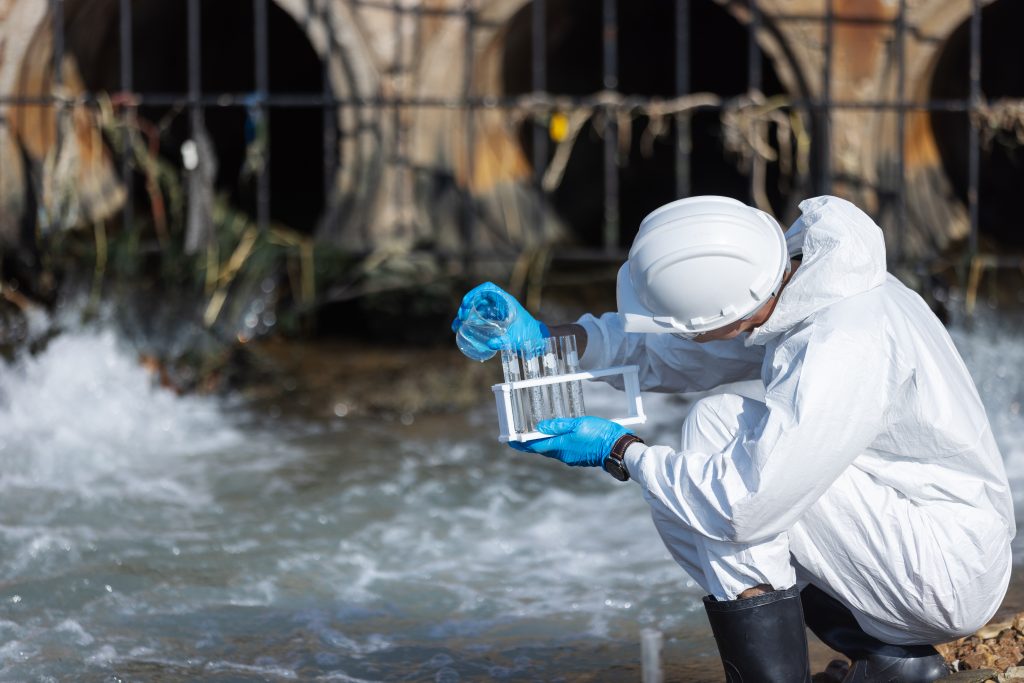
Effective Legionella Control Strategies
Tags: Legionella Prevention, Legionella Management, Water System Safety, Legionnaires Disease Prevention, Legionella Testing Services, Commercial Legionella Control, Residential Legionella Control, Water Hygiene Management, Legionella Risk Assessment, Legionella Monitoring, Legionella Compliance, Legionella Safety Measures, Legionella Treatment, Legionella Remediation